By Caitlin Eiben.
Edit: I started this as a summary/AAR style of the 2026 GORUCK Bragg events, but I totally forgot what we actually did, so I transitioned it into giving every tip and trick I can think of to help people survive a Bragg Heavy and/or HTBL. I think that will be more useful anyway, so enjoy!
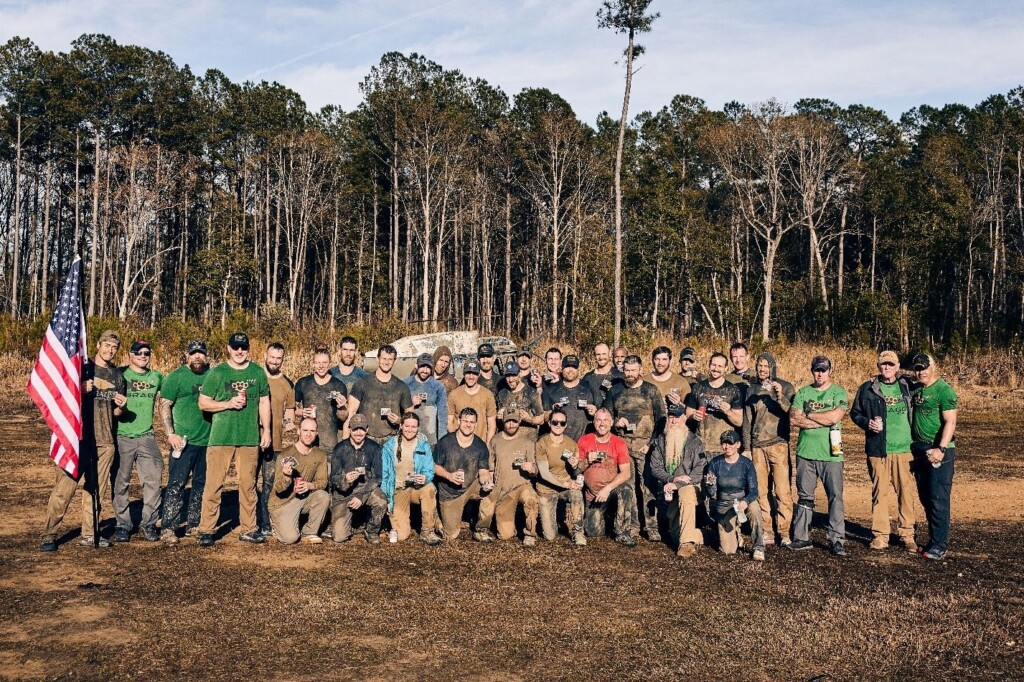
Photo Credit: Nick Schrein
Here we go again. Another event write-up that is going to end up being entirely way too long.
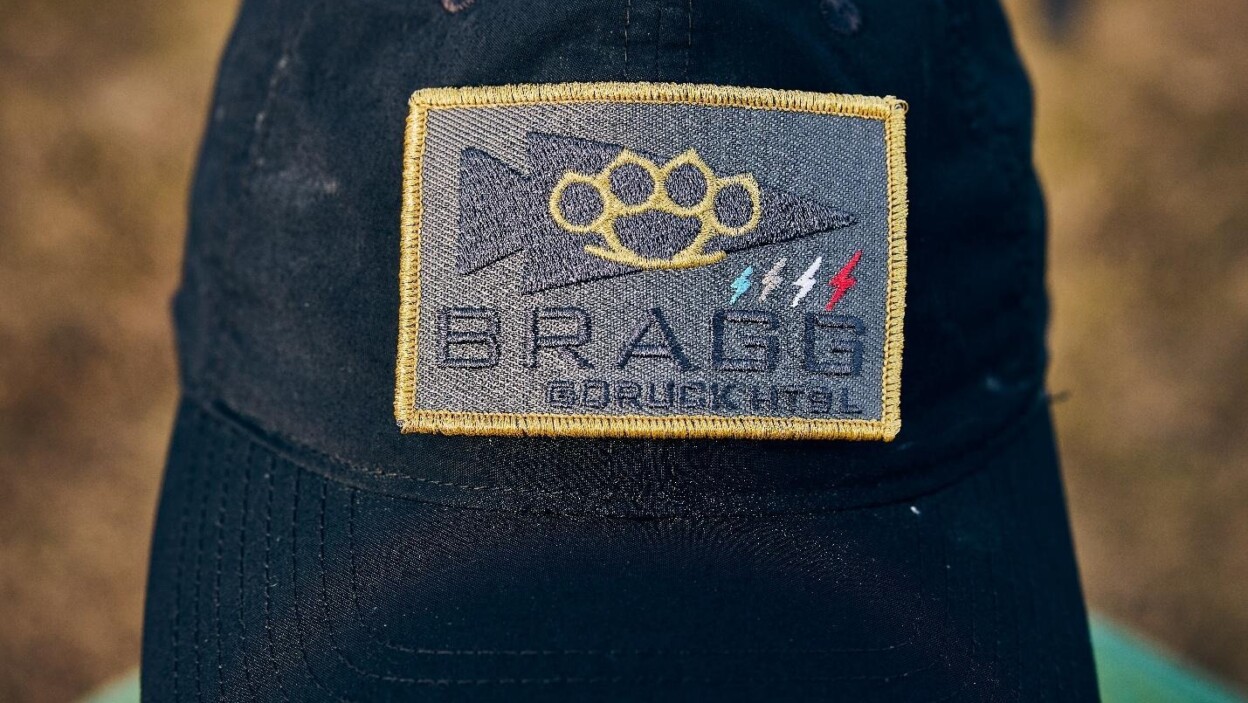
This one is about the first GORUCK HTBL at Bragg.
If that combination of words and letters mean little or nothing to you, let me try to explain. If you are reading this at all, I’m sure you have some idea as to what GORUCK events are.
So an HTBL is a 24-hour Heavy, 12-hour Tough, 5-hour Basic, and 3-hour Light all back to back with 3-4 hours of rest between events.
Since 2022, they have hosted HTBs at Bragg. In 2021, they had a Double Heavy, and prior to that, they only had an annual solo Heavy.
Despite the fact that most people seem to want to do less hard things nowadays, the workload at Bragg continues to increase for those of us who still enjoy a good challenge and are dumb enough to attempt it.
I started GORUCK events in 2017. I dove in headfirst, but was always intimidated by Bragg, as many people are, and rightfully, should be.
I attempted my first Bragg event in 2021, the Double Heavy. My chronically dislocating knee dislocated about 12 hours in, and I took myself out.
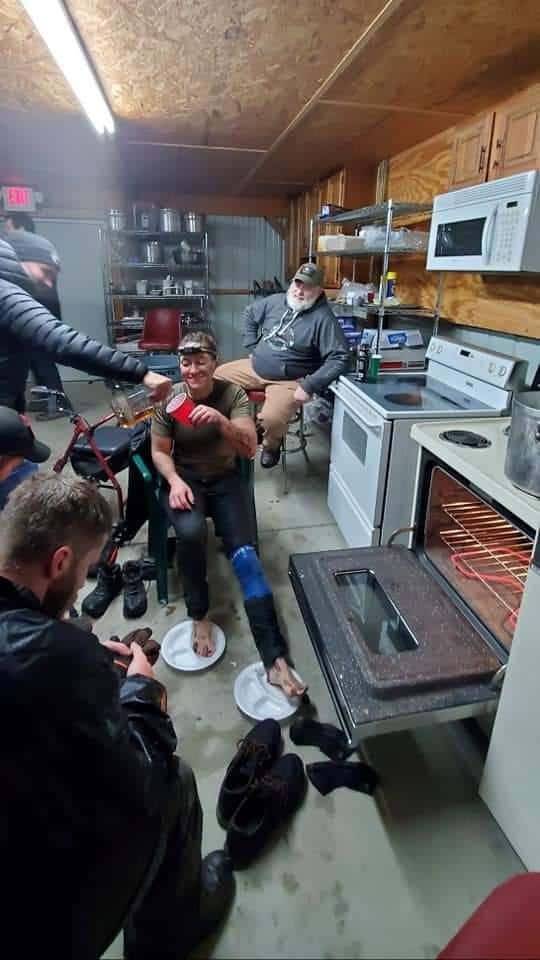
I didn’t return in 2022 because I was coming off a finger laceration repair, which kept my arm immobilized for three months. In no way was I prepared to make a comeback that quickly, especially not at Bragg.
So, 2023 was my year to get redemption. I went for the whole HTB and made it through. I have been coming back every year since then.
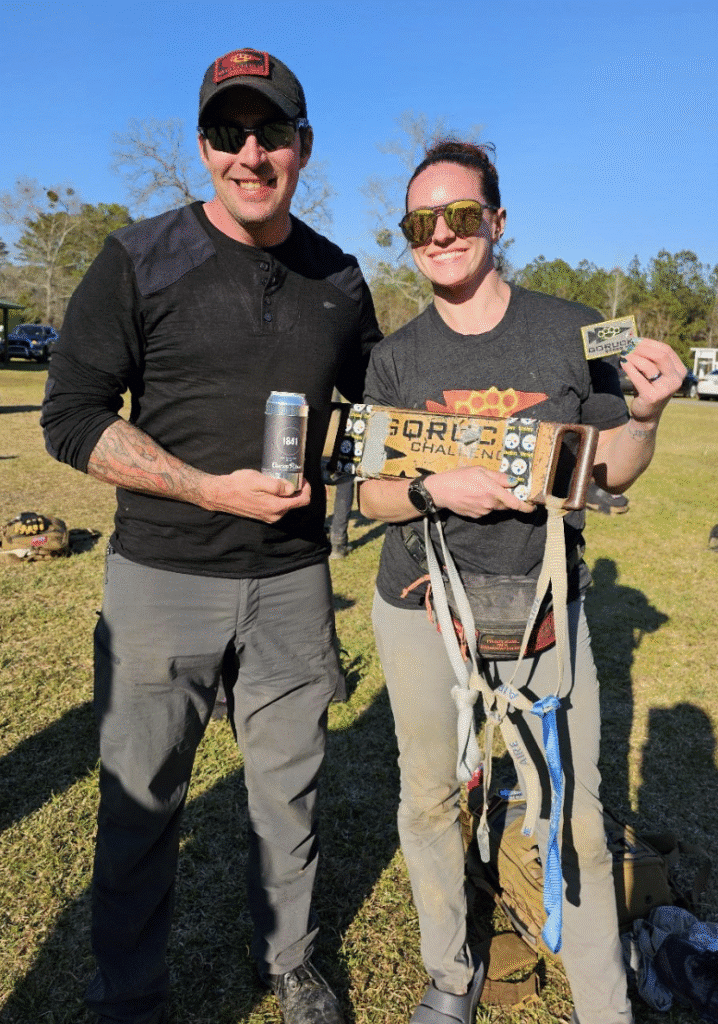
2026 marked my fourth consecutive Bragg weekend, this one adding one more layer of spice to it, but it’s just a Light, no big deal…
In total, at the time of writing this, I have completed 17 Heavies and Team Assessment. I have completed two Double Heavies, 12 HTBs, and one solo Heavy. I like to think I have learned some things along the way, so if you want to get some advice, get cozy and finishing reading.
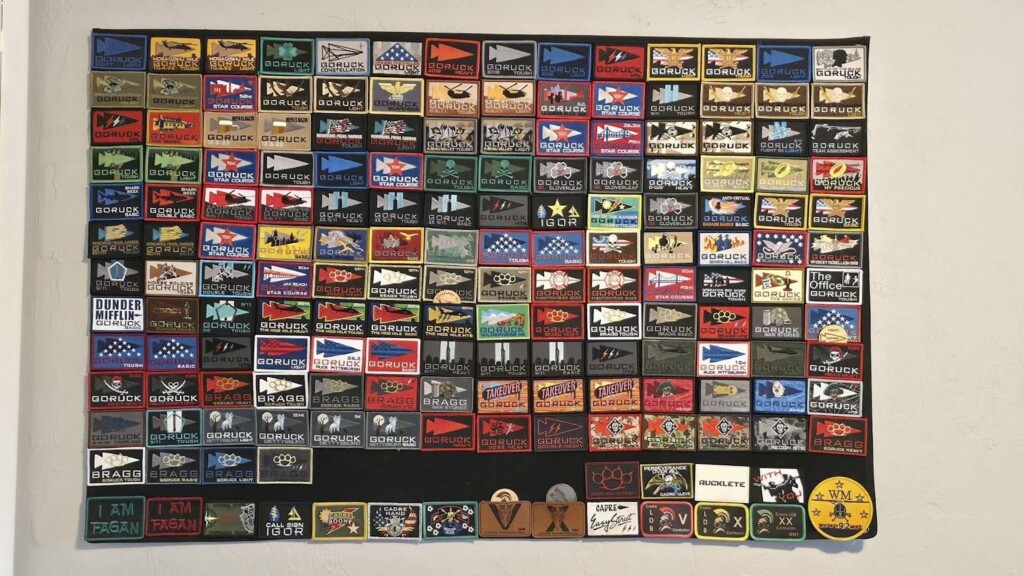
While this is geared towards Bragg, obviously the advice can be used for any longer GORUCK event.
Training
This year was a little different in regards to training for me personally.
Ok, a lot different.
I was likely in the best shape of my life going into our custom SERE Double Heavy in October 2025.
I ran that momentum into doing the Recon Raider HTB in November 2025.
After that, I adopted a rescue dog and cuddled him so good that I ended up with shoulder impingement.
Don’t ask.
I spent the four months between RRHTB and Bragg predominantly trying to rehab my shoulder.
So yes, I went into Bragg after not specifically training for four months.
I do NOT recommend this approach.
A much better approach is a combination of lighter, fast rucks and shorter, heavy rucks carrying a variety of awkward items.
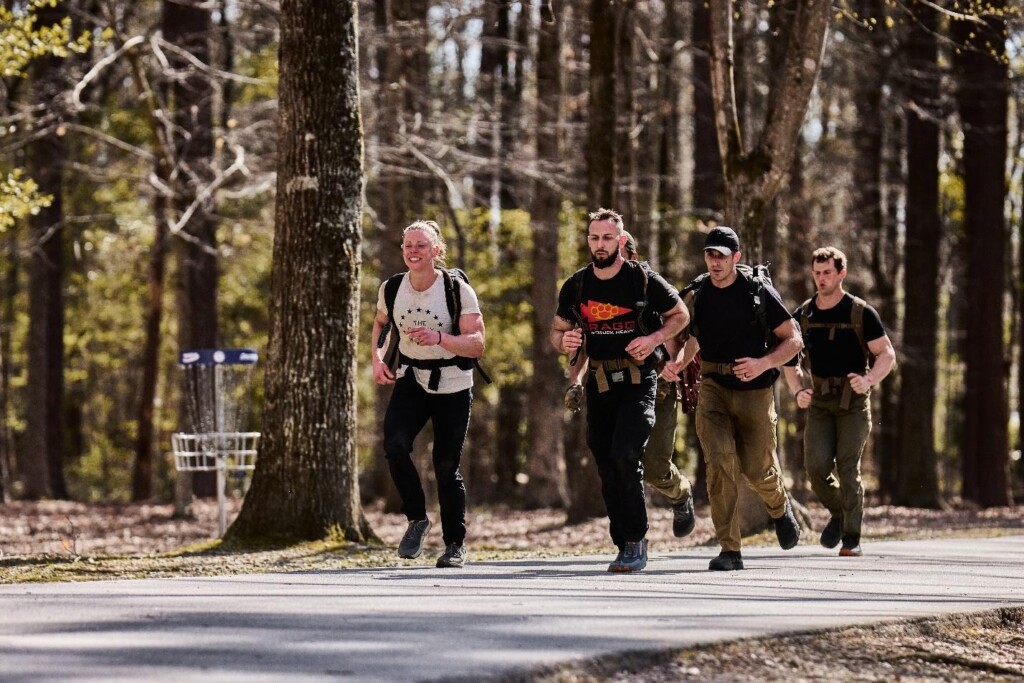
Photo Credit: Nick Schrein
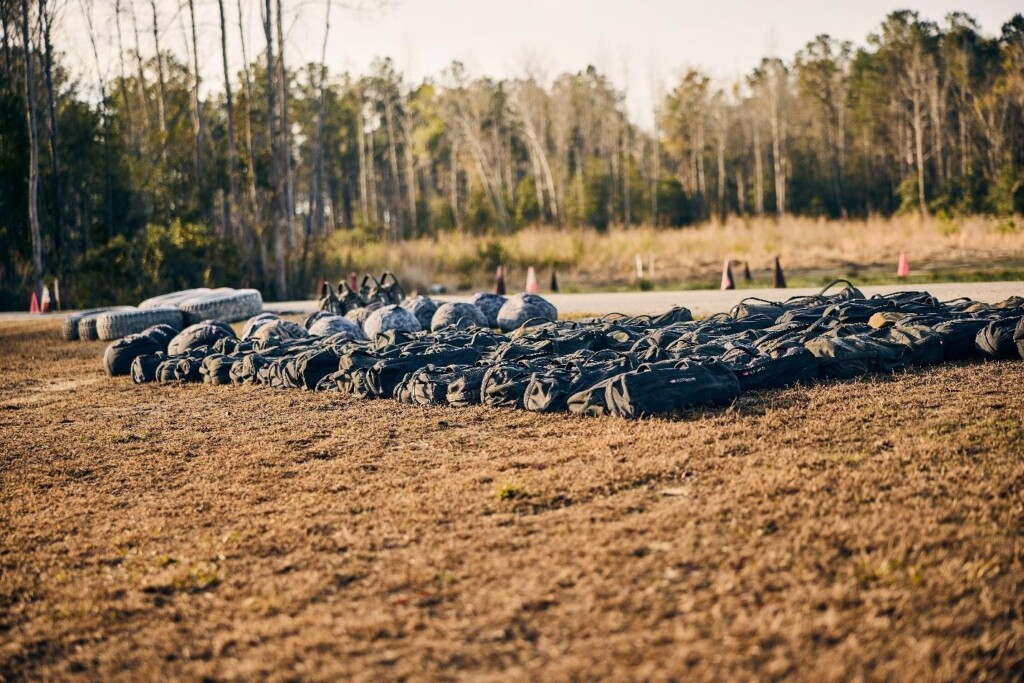
Photo Credit: Nick Schrein
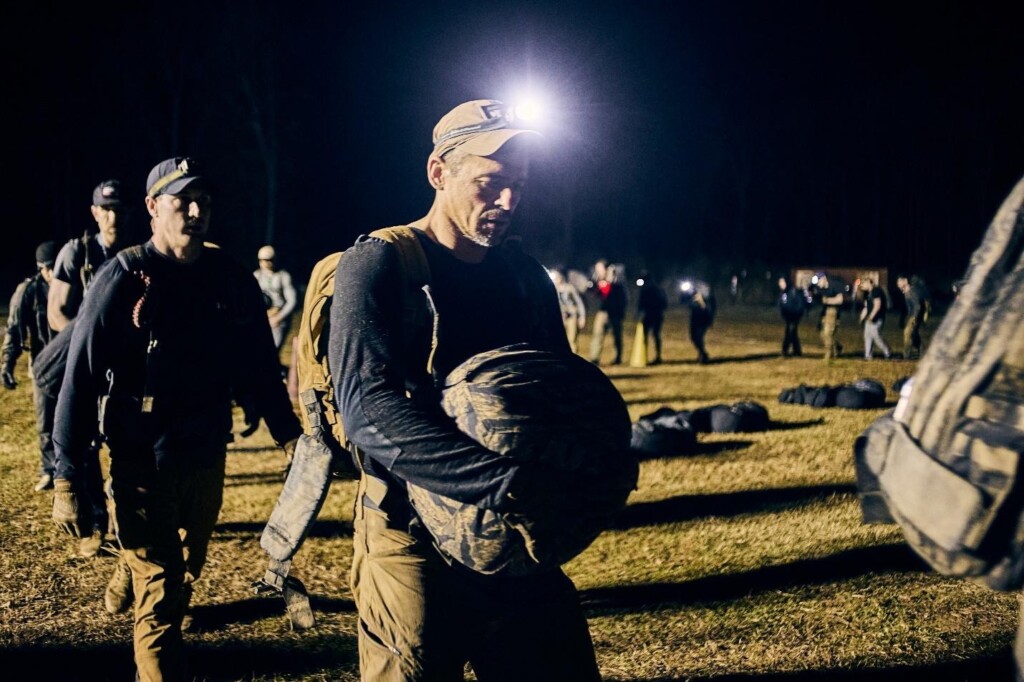
Photo Credit: Nick Schrein
Do various forms of PT, including body weight, ruck, and sandbag exercises.
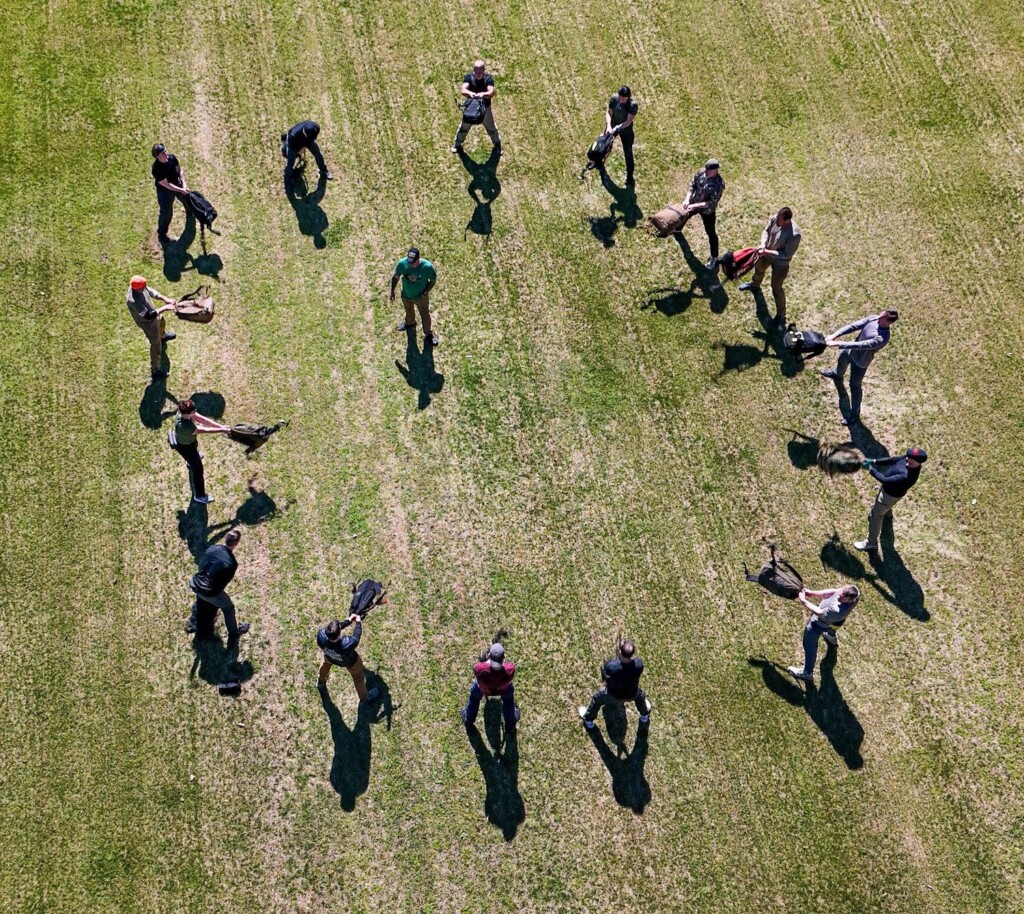
Photo credit: Eric Perry
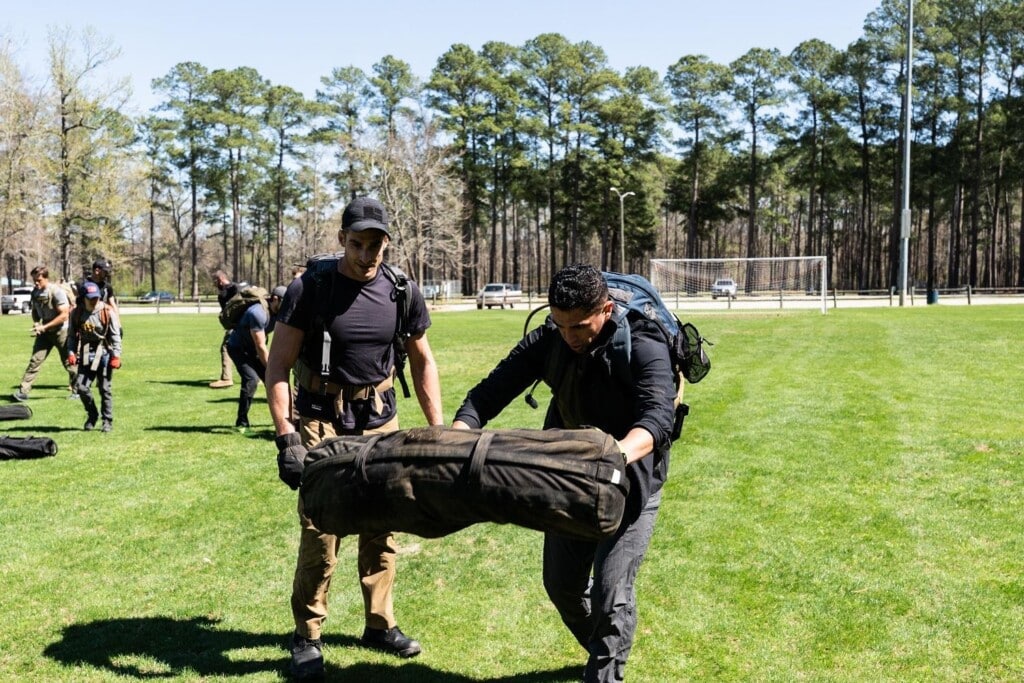
Photo credit: Eric Perry
Overhead work is always a smart thing to focus on for Bragg, especially military presses because you will very likely have to do log PT.
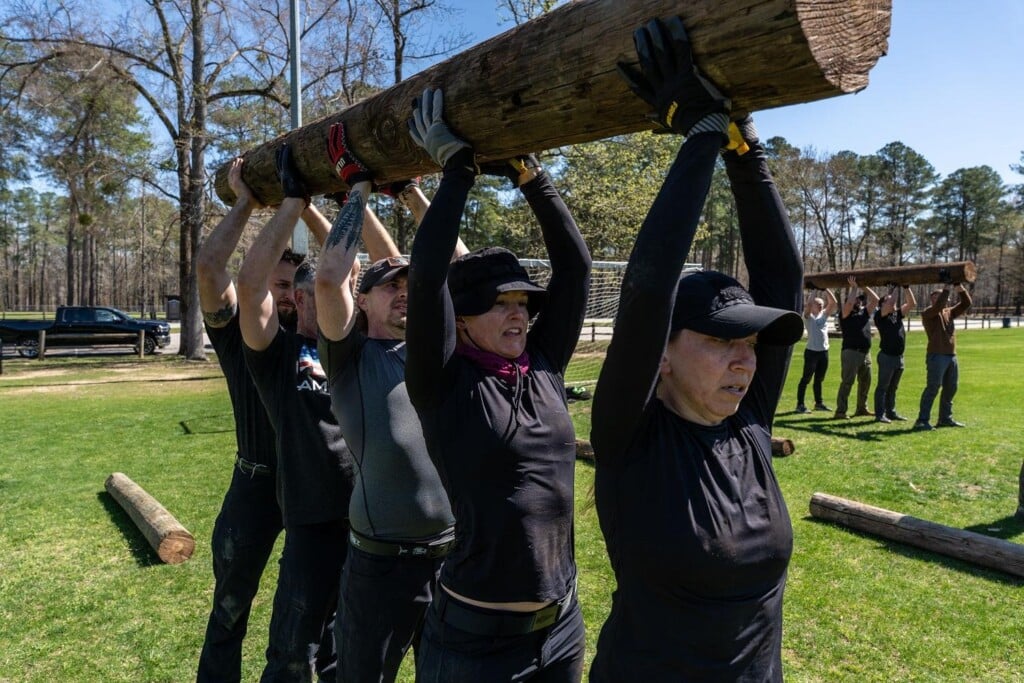
Photo credit: Eric Perry
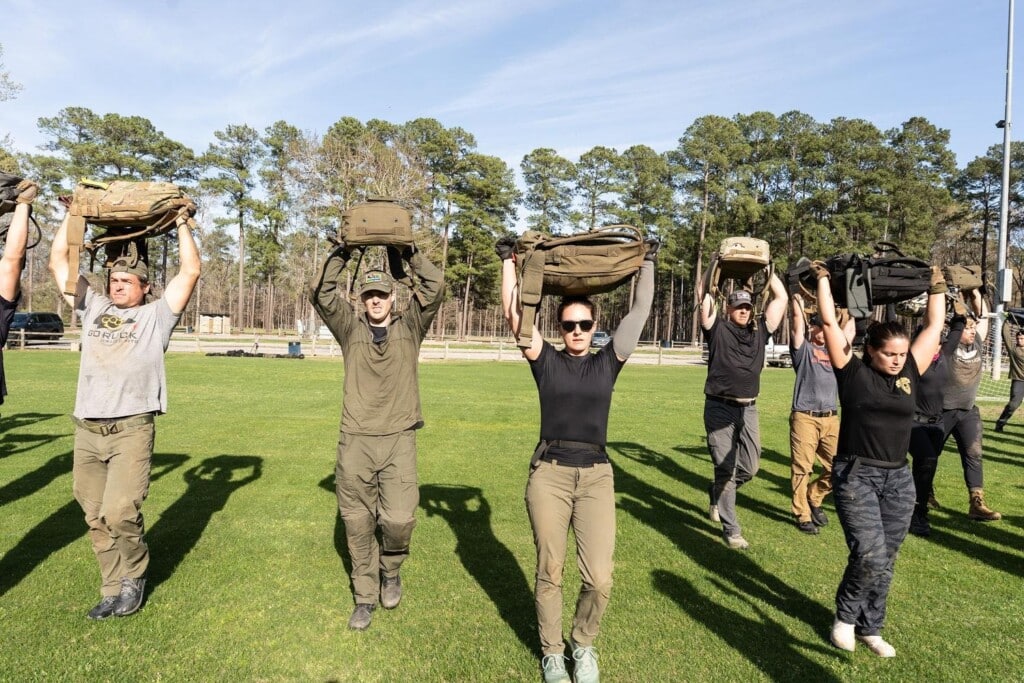
Photo credit: Eric Perry
You will need strong legs, core, back, arms, toenails…basically everything.
I personally prefer ~4-hour training sessions once a week with smaller workouts during the week. These are endurance events after all, not CrossFit workouts. Your body needs to be used to working for an extended period.
Yes, I realize this is incredibly broad advice, so to make it easier, go to Joe Baker Fitness and have him tell you what to do. The people who use his training always come prepared and ready to be good teammates. He has specific programs for Bragg, and the best part is you will get to know your future teammates in the process.
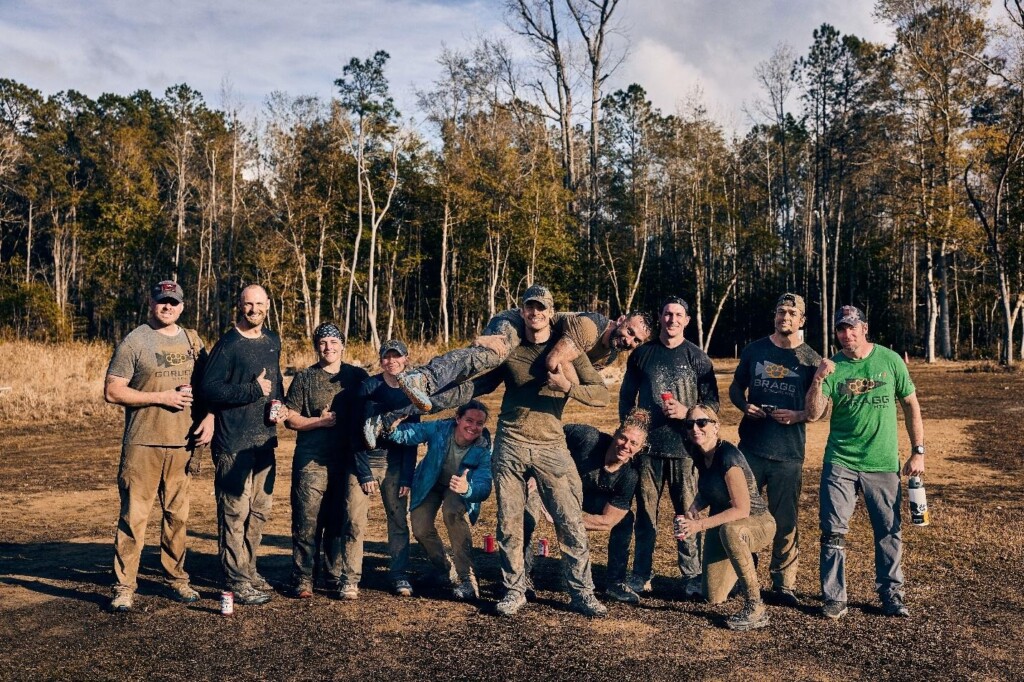
Photo Credit: Nick Schrein
Gear
A GORUCK Rucker is a no brainer in my opinion. It has handles, drain holes, lumbar support, and a built-in reflective strap. I just personally wouldn’t use anything else. A hip belt is a must. I never use my sternum strap, but it’s there if I did need it.
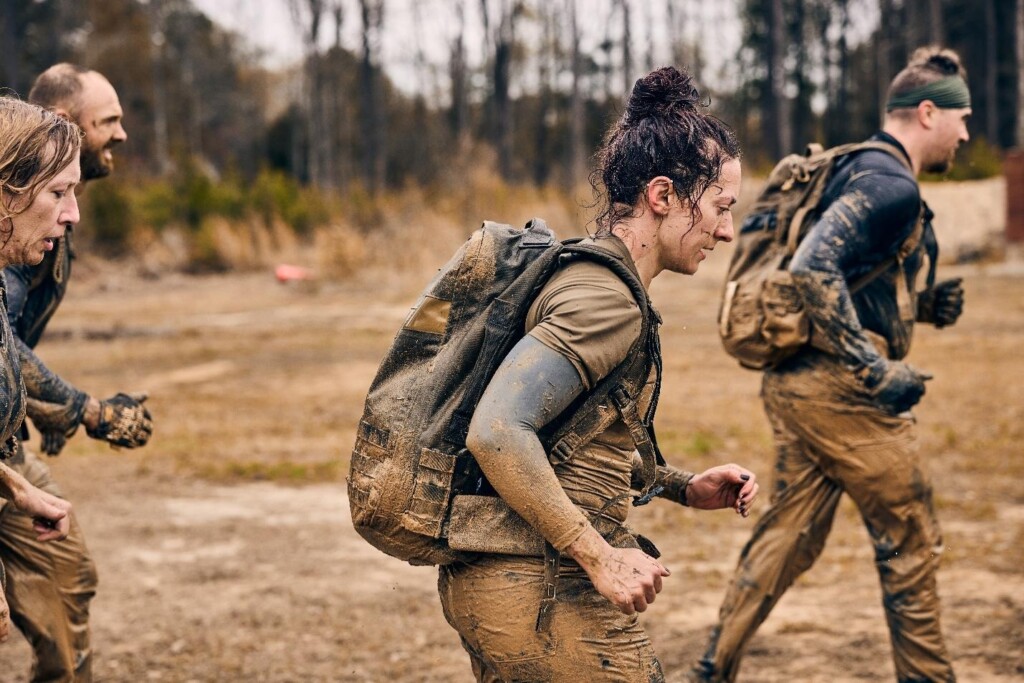
Photo Credit: Nick Schrein
I am 5’6″ and I use a 25L bag for Heavies. I could probably get away with a 20L for a completely warm or cold weather event, but since they are 24 hours, the temps almost always fluctuate to the point where you want some options to shed or put on more layers. Plenty of shorter folks use a 20L and make it work, but the way the 25L sits on me is comfortable to me, so I prefer to take the extra space.
There is a 99% chance you will get wet at some point throughout the weekend. If you are fortunate enough to have Mother Nature be kind, the cadre won’t be. The hose WILL come out.
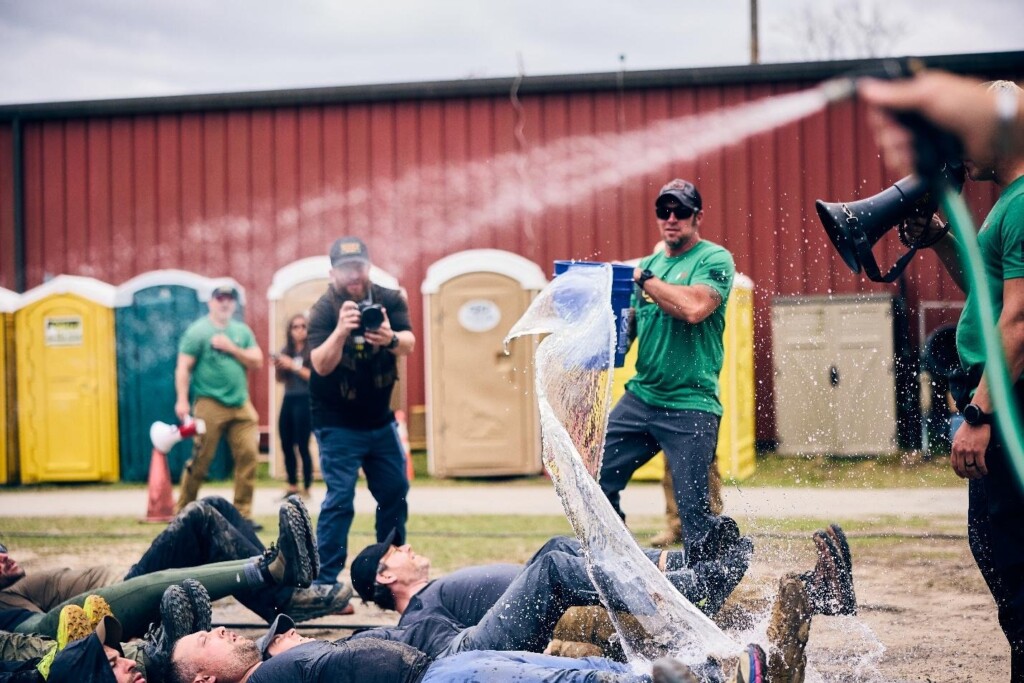
Photo Credit: Nick Schrein
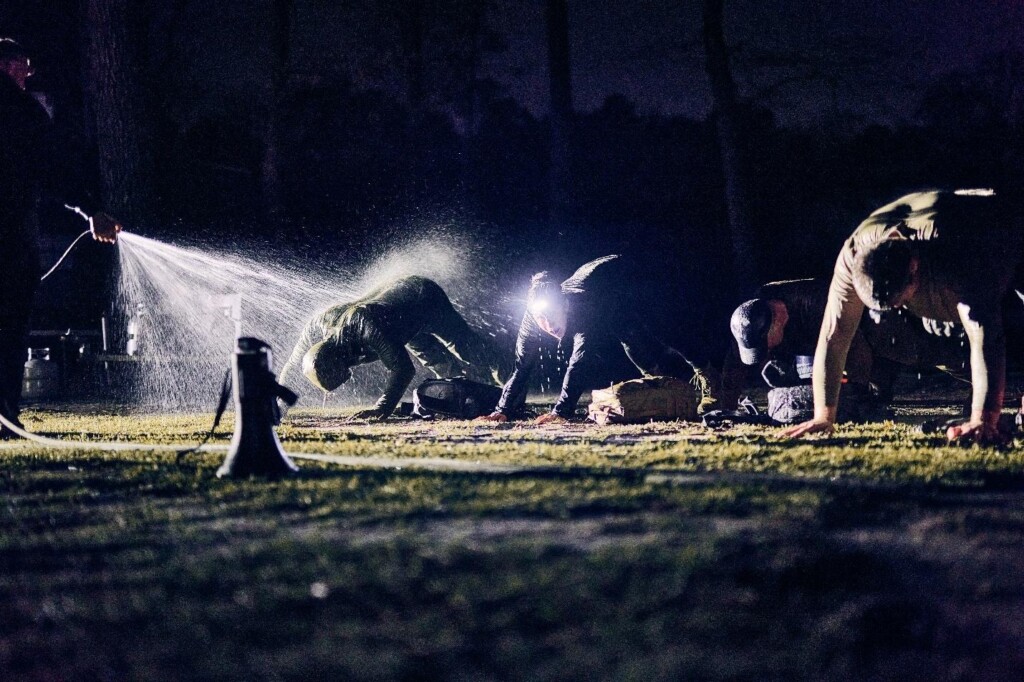
Photo Credit: Nick Schrein
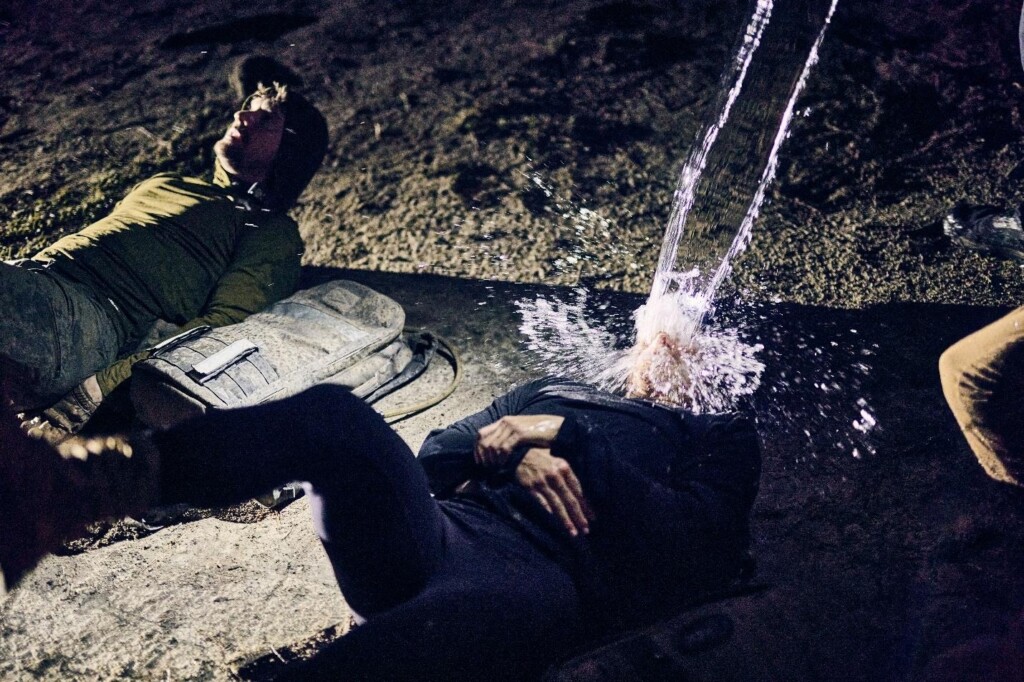
Photo Credit: Nick Schrein
My approach to layers is when I am working, I try to keep myself in as minimal layers as possible. This both reduces sweat and keeps your extra layers dry for when those unexpected hose PT sessions occur.
I throw my dry layers on during priorities of work (the breaks they give you) and then shove them back in my ruck when it’s time to move again.
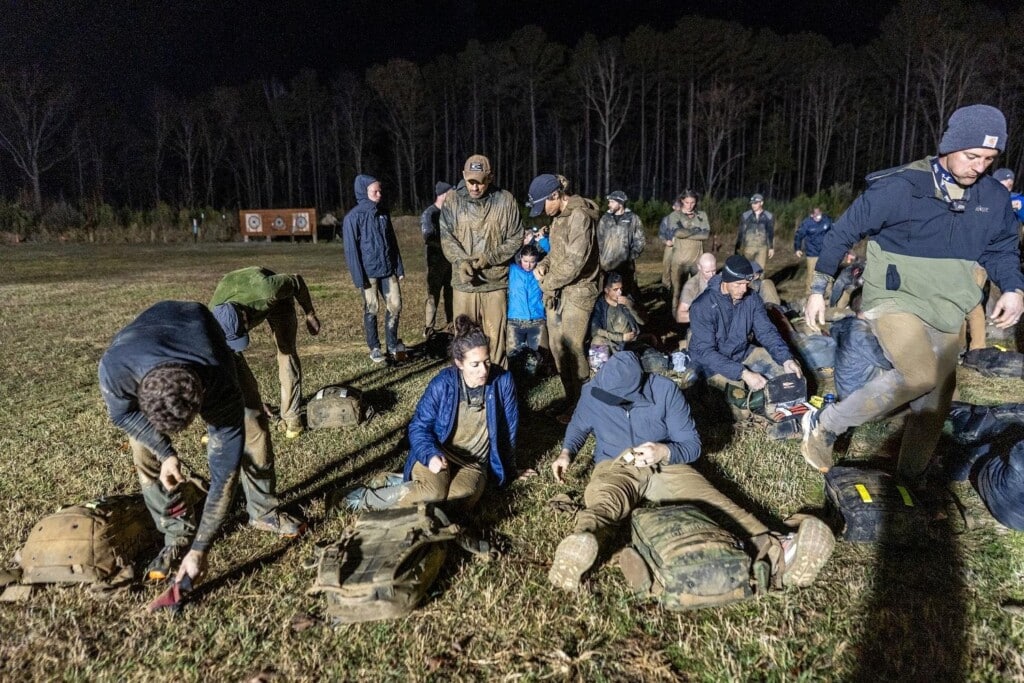
Photo credit: Eric Perry
Obviously, it’s weather dependent, but typically I wear a dri-fit shirt and arm sleeves. I pack a GORUCK mesh long sleeve, a wool long sleeve, a Patagonia Houdini windbreaker (highly recommend), and a light puffy jacket. I always wear GORUCK Simple Pants. They are durable and dry fast. No matter what the temperature at Bragg, I would absolutely never wear shorts for any of the events. I have enough wounds on my knees and elbows with fabric covering them, I can’t imagine what my skin would look like without at least one protective layer.
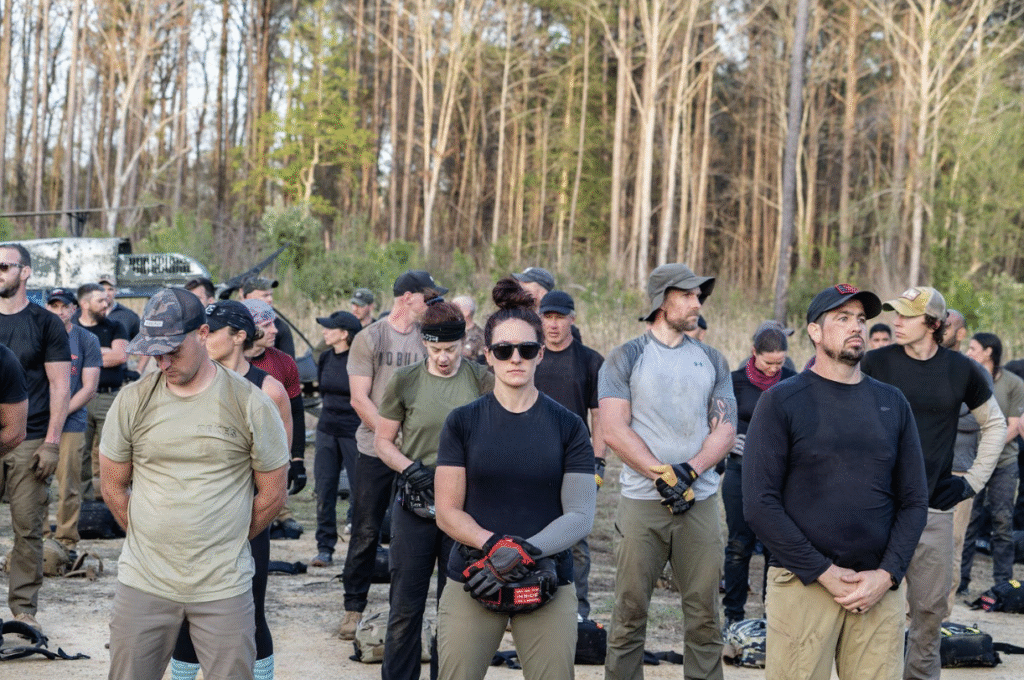
Photo credit: Eric Perry
This year, I did not pack a rain jacket due to the forecast, and I am glad I didn’t because it was unneeded.
Temps dropped into the 40s overnight for both the Heavy and the Tough. I wore everything at one point or another, except for my wool shirt.
I ALWAYS bring a change of socks for a Heavy, but this time I did not use them.
I’m fairly used to rucking in the cold, so I didn’t have a hat, non-working gloves, or any sort of face warmer. If you are not used to cold weather, you may want these things if the temps are 50 or below.
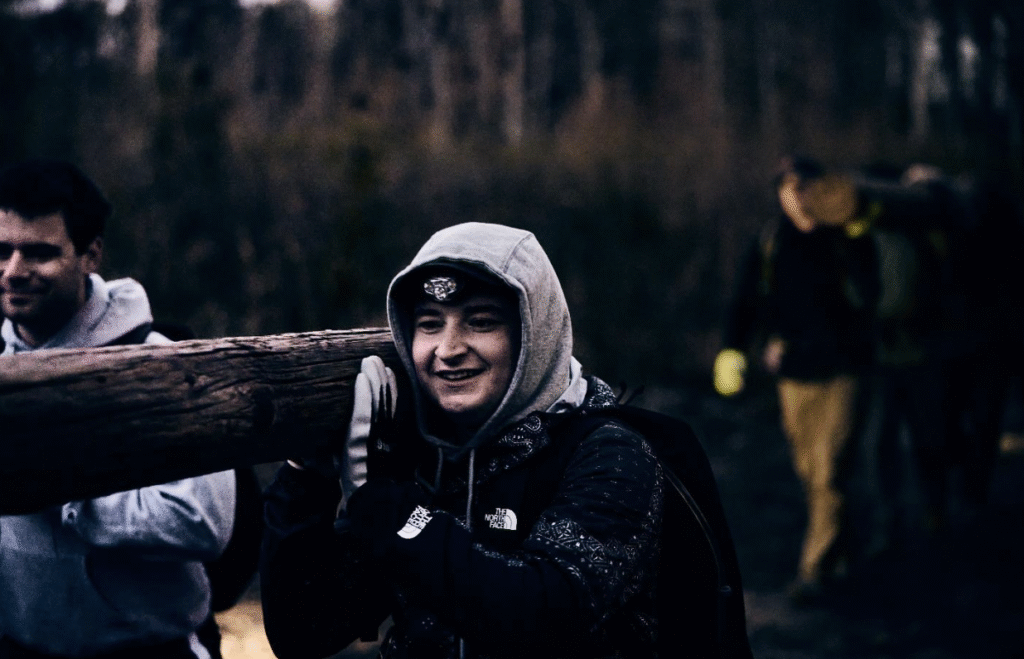
Photo Credit: Nick Schrein
About two years ago, I started working on an arm sleeve, so to protect my tattoo, I started wearing UV arm sleeves. I had extra, and I’m glad I did, because they helped to relieve the pain from low crawling in short sleeves on the dry grass and rocks during the Light.
I think from now on, even if it’s warm, I will pack two and just put the extra in my Boogie Bag to throw on if I need it.
Speaking of Boogie Bags, if you are unaware of what they are, it’s basically an indestructible fanny pack. Think GORUCK quality, but made by an independent maker, goodwerks. Yes, they are expensive, but yes, they will survive Bragg and beyond.
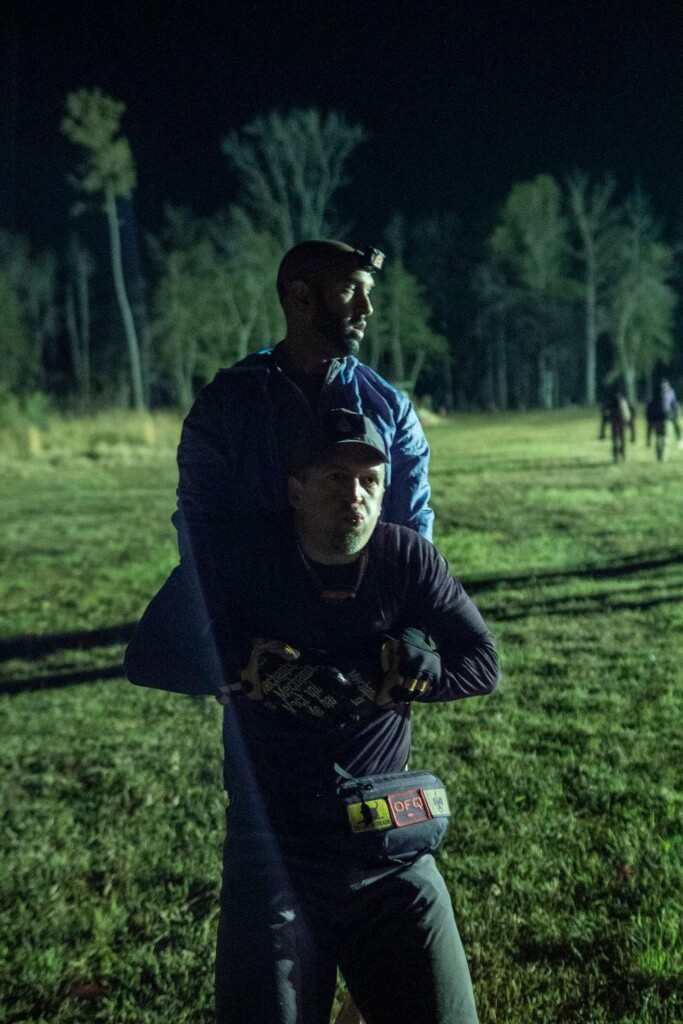
Photo credit: Eric Perry
If you wear one, my suggestion is to leave a little extra room in your ruck to squeeze it in during PT, because while you definitely CAN do PT with it on, it’s much more comfortable not to.
It’s so handy to store eat-on-the-go snacks, pain meds, ChapStick, sunscreen, electrolyte tabs, gloves, etc. You don’t always know when you are going to get breaks to be able to go into your ruck, so having these things handy right at your waist is clutch.
Another piece of gear I highly recommend is a HydraPak instead of a Nalgene. These collapsible water bottles are much easier to pack in your ruck, especially during ruck dump time.
Shoes and socks. This is where you are going to have to do some experimenting for yourself. Everyone’s anatomy is different. I will say, after nine years of consistent rucking, I think I finally found a trail shoe and sock combo that works for me. Through the Double Heavy, RRHTB, and Bragg, I got one blister. That’s a huge win considering I used to leave event weekends with 5+ blisters on each foot. So, what is this magical combo, you ask?
Shoes: Topo Traverse Wide (1 size up from my normal)
Socks: Drymax Hiking Crew. I put some Blister Shield powder in them prior to the event and have done minimal to no taping.
I have been fortunate enough to have done most of my events recently on trails instead of concrete, so I’m sure once I’m back to the pavement, I will develop plenty of foot issues yet again.
It’s always wise to bring an extra mouthpiece for your bladder, as well.
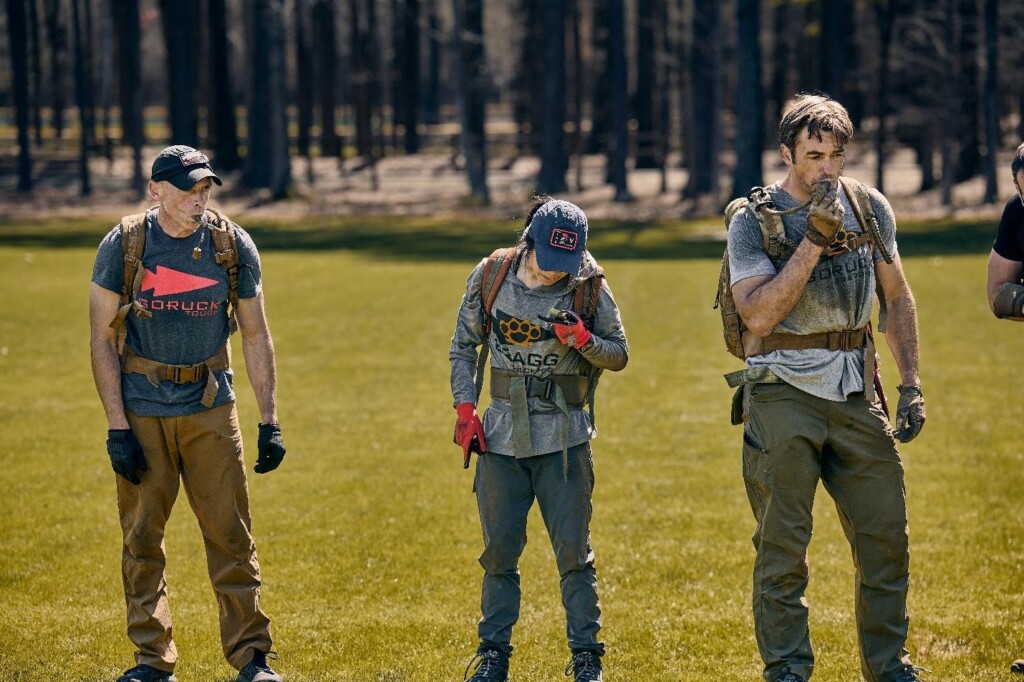
Photo Credit: Nick Schrein
Finally, the last piece of gear that I recommend is grabbing a few straps. You never know when these will come in handy, but when they do, trust me, you and your team will be relieved you have them. I personally like these ones because they are a bit thicker and more comfortable when using them for heavy farmer carries.
AUGO Heavy Duty Soft Loops –Pack
And we all know, GORUCK events are about making things as comfortable as possible…
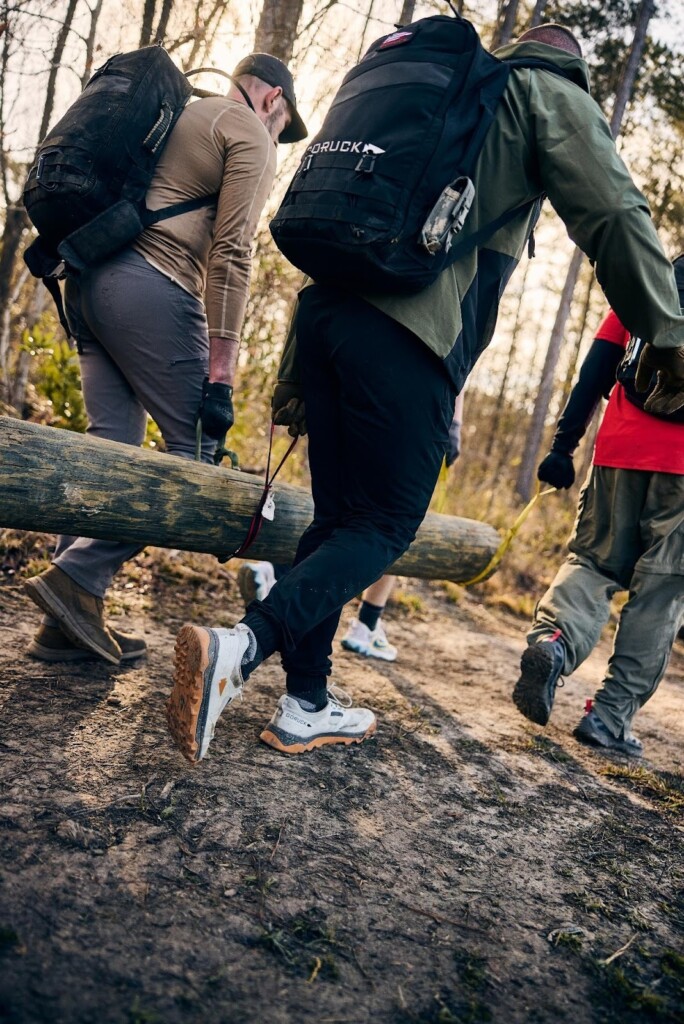
Photo Credit: Nick Schrein
Oh, one more piece of non-event gear. It’s Bragg. You will get muddy. Bring some large towels to save your vehicle from becoming as messy as you are.
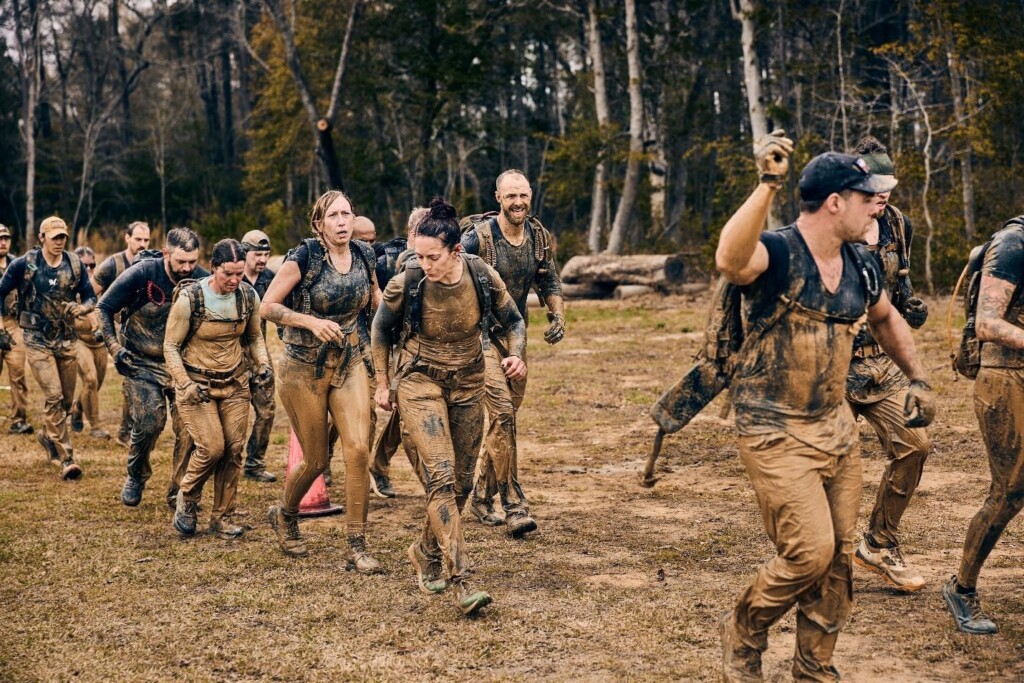
Photo Credit: Nick Schrein
Nutrition
Eat well the week leading up to the event, both nutrients and amount of calories are important.
Cut out alcohol and ensure you are hydrated. Drink electrolytes, but balance that out with plain water, as well.
It’s a no brainer, but don’t eat any unfamiliar food before or during the event.
If it’s an early event, make sure you eat a hearty breakfast whether you want to or not. I, personally, am not a huge morning eater, but I force myself to take in calories.
Pack more calories for the events than you think you will need. If you don’t end up using them, someone no doubt will, and it’s good to be a good teammate.
For longer events, I prefer to prioritize nutrition over comfort and flavor. My go-tos recently have been Range Bars and Rec Paks. My goal is to pack the most amount of calories and nutrients in the smallest package possible.
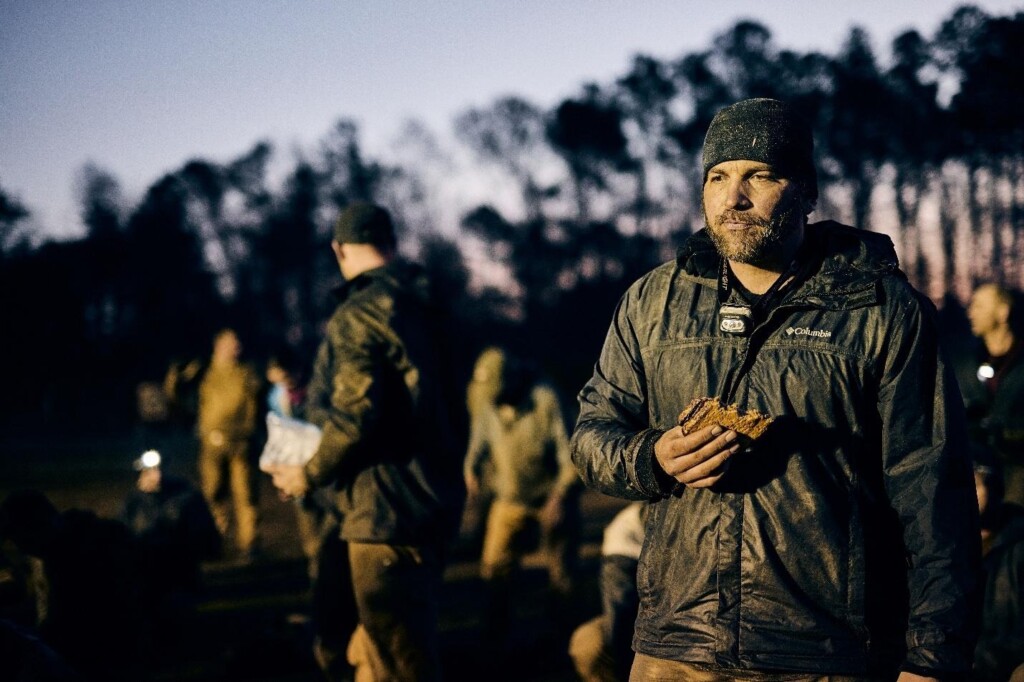
Photo Credit: Nick Schrein
I did get some Sarris Chocolate Covered Pretzels, which won me some brownie points from fellow Pittsburgher Cadre Dan. IYKYK. So that was enough “happy food” to tide me over until I could gorge on real food post events.
I use both LMNT to put in my HydraPak and chewable Salt Stick tablets that I keep in my Boogie Bag to replenish electrolytes.
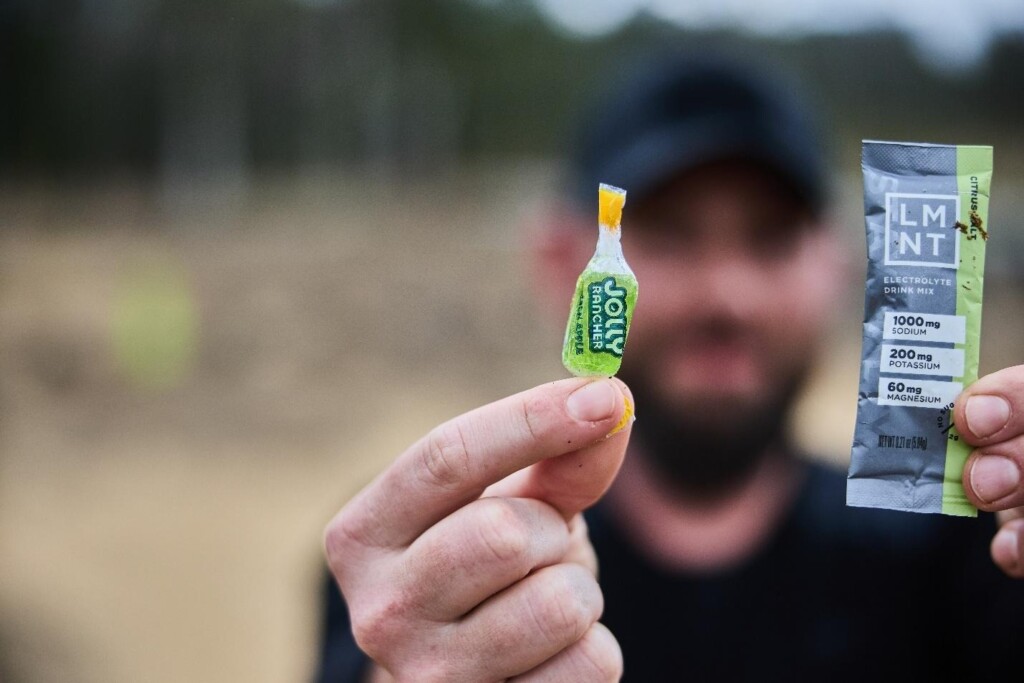
Photo Credit: Nick Schrein
I keep my water bladder for water only.
I have used Tailwind in the past, which contains both calories and electrolytes (and some flavors even have caffeine), but I’ve learned that I’m lazy and don’t clean out my bladder quickly enough after events to prevent it from getting nasty, so now I avoid Tailwind.
Keep yourself hydrated throughout the event. Again, this may seem like a no brainer, but so many people drop events due to dehydration. Small sips often > chugging large amounts of fluid during breaks. Once you get behind in your hydration it is very hard to catch up. Remember to drink when it’s cold. This is when so many people forget to prioritize hydration because they don’t feel thirsty, and they assume if they aren’t sweating, they don’t need to hydrate.
Take some caffeine if you know your body responds positively to it. 5-hour energy or pills are ideal because they take up a small amount of space. If you want some natural caffeine, try chocolate covered espresso beans.
Pre-Event and Transitions
If you fail to plan, you are planning to fail.
If you have your heart set on doing the entire HTBL weekend, this is for you.
The more you have your gear and routine planned out, the smoother, less stressful, and more successful your event weekend will be.
Lodging
I have done HTB transitions from my car in a parking lot, from a hotel by myself, and also in a house of 15+ people. I have never missed an event.
All situations can work, as long as you are prepared.
Vehicle: the perks of staying in your vehicle on the compound is that you are already there for the next event. No time is spent on traveling. You will have others around you.
Have a cooler full of food and drinks.
Bring a comfortable chair to sit in.
If your vehicle allows, set up a roomy place to take a nap. Bring a pillow and blankets. If the weather is nice, lay out on the ground.
Bring body wipes because there is nowhere to take a legit shower. At Bragg, you will have access to their hoses.
Solo Hotel:
I would avoid this unless you are very self-motivated to ensure you are ready to get yourself back to the start point.
It’s much easier to talk yourself out of something when you don’t have the feedback of others going through the same things you are.
But if you are responsible and self-motivated, this is a great way to have no distractions, no competition for showers, and no one making noise while you are trying to rest, which can be pretty ideal.
House:
This is my preferred way to travel for events. I rent a big VRBO or AirBNB. I try to keep it around 10 minutes from the start point. Once it’s split between a bunch of people, it’s pretty affordable. If you don’t want to coordinate your own house, be on the lookout for posts on Sandlot or Facebook for people who have spots available.
Perks are a hot shower, a fridge/kitchen, a nice bed, and best of all, the company of your peers.
If you make it known you want to finish the whole event weekend, these people will be there to ensure that you do so.
Packing
So now that you have your lodging figured out, what do you do before the event and in the hours of rest between events?
First, I should say when you are packing for the event weekend, be as organized as possible. Choose specific outfits for each event, down to shoes, socks, belt, gloves etc. If you don’t have extras of these things, it’s not a big deal, but if you do, it’s nice to have fresh items for each event. Set aside extra items for your dry bag (additional layers, socks, etc.) so you can quickly change things over.
You should also think about your calories ahead of time. Pack large Ziplock bags and have them labeled for each event. This way, instead of repacking, you just swap the bags out.
If you think about it, have your water filled up enough at the end of the previous event so you don’t even have to touch it. If it’s more than half empty you will definitely want to refill a bit.
Transitions
Here’s my normal routine, but it varies depending on who snags the shower first.
- If the shower is open, this is where I head to first. I bring my next event clothes in with me and change right away. No sense in putting on sweats just to change a few hours later. As a female with longer hair, I will rinse my hair, but I save washing it for after the whole weekend. There’s usually a long line of people waiting for the shower, and I like to be respectful of people’s time…and my own.
- The next thing I typically do is repack my ruck. As I stated before, everything should basically be ready to go. Switch your food bags, put some fresh layers in your dry bag. Make sure your headlamp is charged or change the batteries. Make sure your water is filled up enough.
- Eat and drink. Sometimes it’s hard for me to eat after long events. I feel hungry, but I just can’t eat as much as I know I should. Try to find stuff you know your body can handle, but also something that tastes good. Pizza is a great option. Chipotle bowls are also clutch. Everyone is going to have different preferences, so just find something high in calories that works for you. Make sure you continue to hydrate. Drink a protein drink and continue to sip on electrolytes.
- Rest. Set as many alarms as you think you need, especially if you are by yourself. Close your eyes and let your body relax. I usually don’t fully fall sleep, but just letting myself shut off for a little is beneficial.
- Stretch. Give yourself enough time to wake up and let your body realize it has to start moving again. Do some light mobility work on whatever parts of you body you think need it. Address foot issues or any other concerns you have before starting the next event.
- Caffeinate. If your body reacts positively to a caffeine boost, give it one before the next event. My go-to is Monster Recovery Tea.
I promise you will very likely feel like absolute garbage. Your heartrate will feel high. You may be a little lightheaded. Your body is basically saying, “WTF are we doing right now??”
Just know this is normal. I’m not encouraging you to push through something if you think you are having a legitimate medical issue, but I do want to let you know that that feeling of depletion is completely normal. I get it every single time I do an HTB. Keep hydrating and once you start moving again, it starts to go away.
I do think a lot of people who end up not showing up to the Tough think they are unique in how they are feeling. They think that everyone else feels great and they are the only ones struggling. It is an unfamiliar and very uncomfortable feeling. I get it, but do your best to push through it. You can always drop from the event if you don’t start to feel better once you’re moving again.
Event
Some of these tips are fairly specific to Bragg events, but most can be implemented at all GORUCK events.
First of all, there will be communication from the cadre on social media and/or email prior to the event. Listen to what they are asking you to do, know, and bring.
If you don’t, trust me, you will be sorry later.
For Bragg, the two big things have been to know the ARSOF Attributes (and have a general definition of what they are) and to memorize the Ballad of the Green Beret.
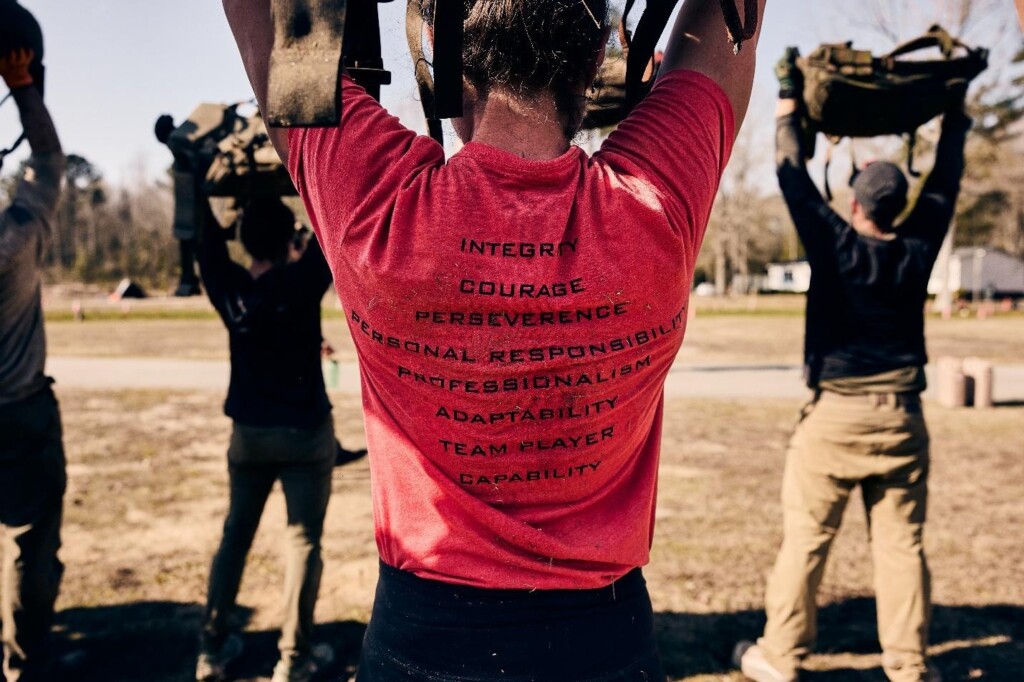
Photo Credit: Nick Schrein
You very likely will be quizzed on the attributes and will be punished if you don’t know them.
For the Ballad of the Green Beret, if they ask you to sing it, sing it loud and proud. No one cares if you can’t carry a tune. They appreciate enthusiasm.
The second thing that will very likely happen at Bragg is a ruck dump. They will ask you to dump everything (yes, they mean everything) out of your ruck. They will call out the mandatory gear and check to ensure you have it. When you are packing for the event, make sure you keep a mental log of where your mandatory items are and DO NOT FORGET ANYTHING. If it is on the gear list, you better have it, whether you think you need it or not.
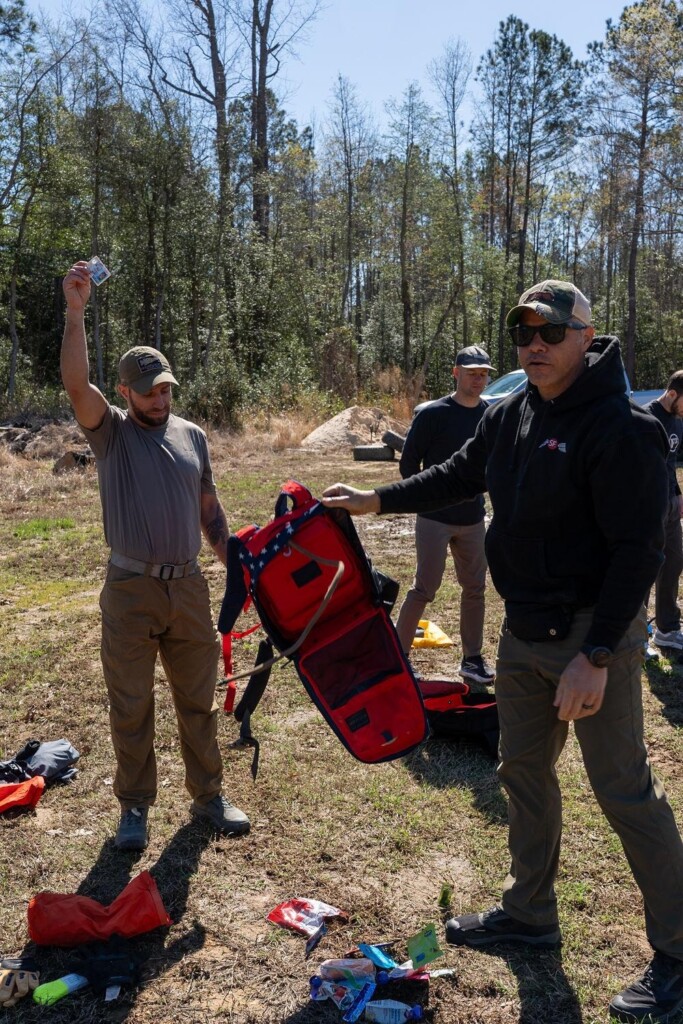
Photo credit: Eric Perry
Keep things like food and extra layers in a large Ziplock bag, so if they make you dump your dry bag, they are still somewhat together.
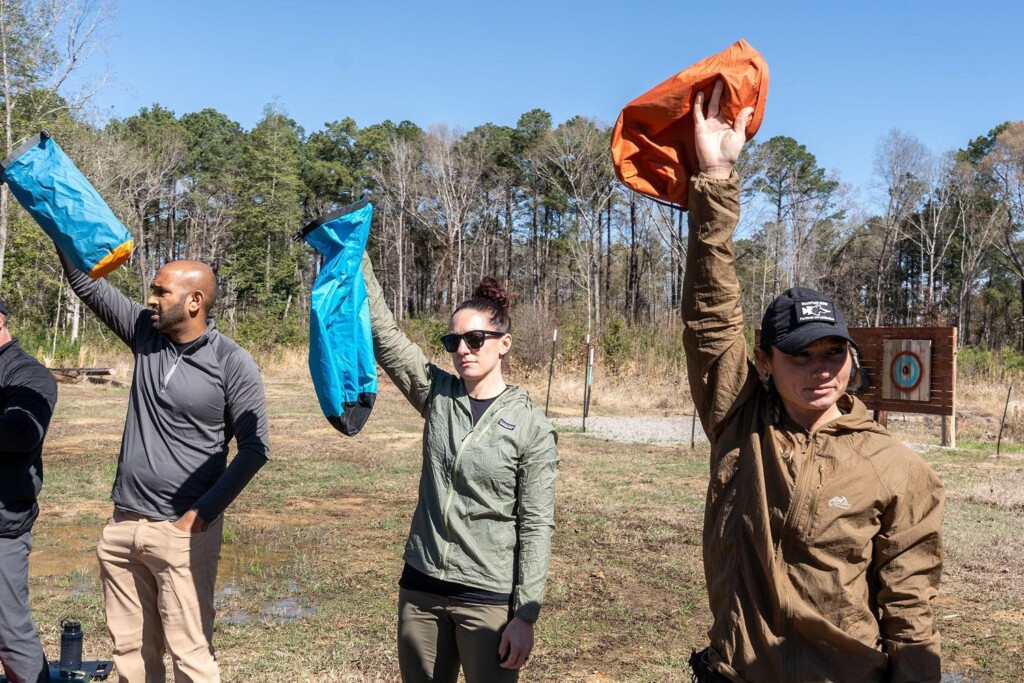
Photo credit: Eric Perry
Typically, they will have you place your gear behind you as they continue through the list of items to prevent sneaky people like me from attempting to repack their ruck as they go.
So, the tip is when you are placing the items behind you, do it in the most organized way you can because once they are done calling out items, they will have you repack your ruck in a certain time limit. The longest I’ve seen is 45s and the shortest, which was actually at the Light, is 20s.
When they say “go”, shove everything in. Do not worry about what goes where. Just shove it in. You will have time to reorganize later.
Here’s the trick. Leave your ruck zipped at least 1/3 of the way. Place your plate in first (don’t worry about putting it in the pocket), then your bladder. Then stand your ruck up and just shove everything else in. Small, soft items should be last. Zip up the ruck ALL THE WAY and place it on your back and stand up. Look around you and help your teammates out who may need an extra hand.
And that, my friends, is a ruck dump. Don’t fail it.
Next thing- LISTEN. When they do story time, it’s not to give you a break. It’s to relay important stories or information. Make sure you aren’t zoning off because sometimes this information comes back around in question form and, again, you will be punished if you don’t know the answers.
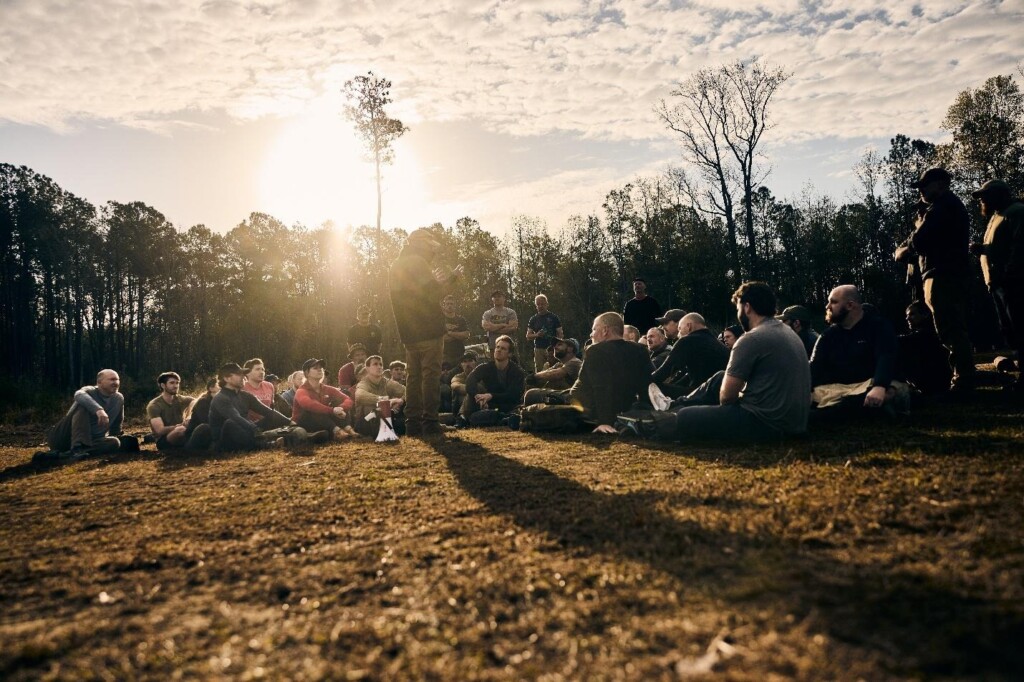
Photo Credit: Nick Schrein
Pay attention to instructions when they are given to you. Don’t half listen and then rely on your team to interpret for you, because they may very well not have listened either. If no one knows what they are doing, then you’re all in for a world of hurt.
Miles and weight. In my experience, Bragg tends to be lower in mileage and heavier in weight. Typically, evolutions are ~1-3 miles before you get a short break and move on to the next task. Now, remember, every event is different, so don’t come bitching to me when the year you do Bragg they take you off the compound and ruck you for 50 miles.
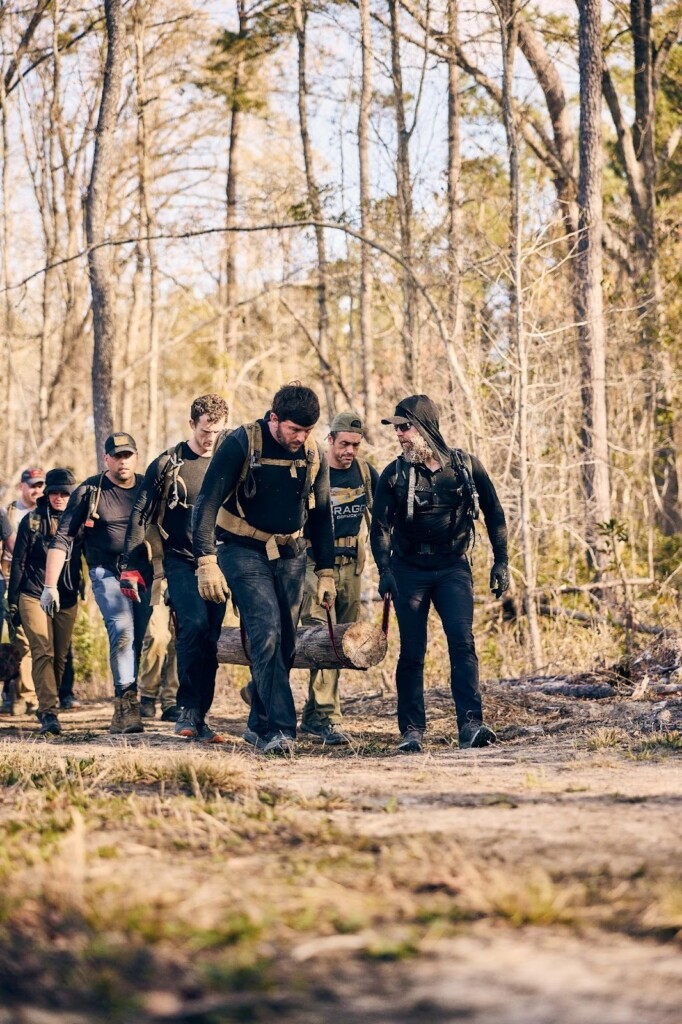
Photo Credit: Nick Schrein
Most of the work is done in loops around the compound, which is ~1.25 miles for the large loop. You will likely do this loop in many variations. For speed, low carrying everything, building an apparatus, dragging a tire, etc. The options are endless with the cadres’ creativity.
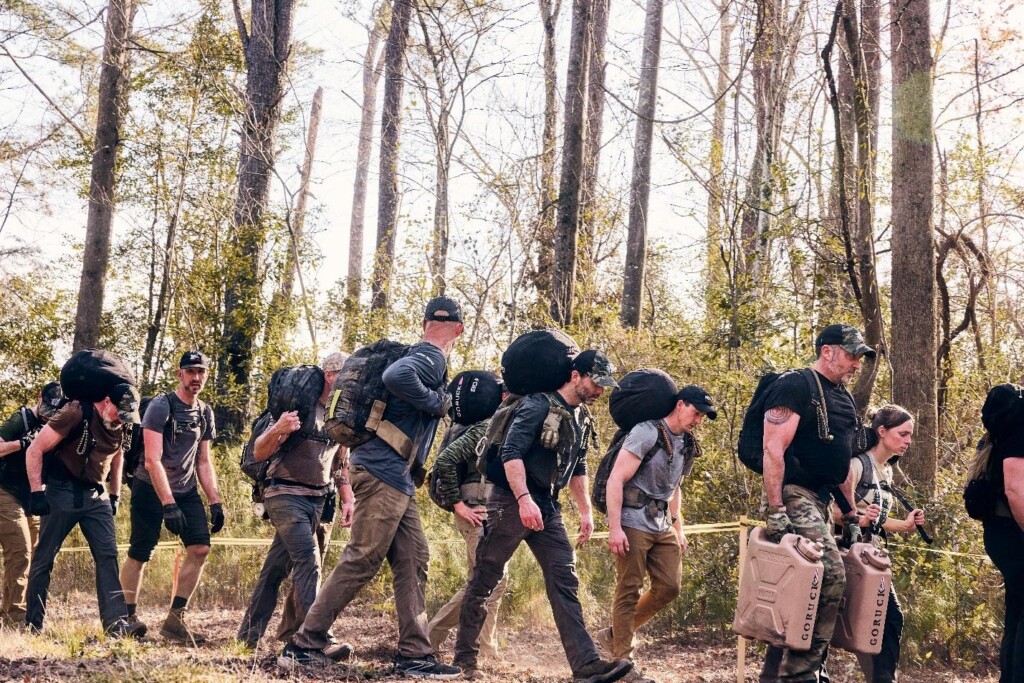
Photo Credit: Nick Schrein
Typically, you are broken up into teams (ODAs) and you complete these evolutions with those people. Sometimes these teams are chosen by the cadre methodically, sometimes it’s completely random. You will find out when you are there.
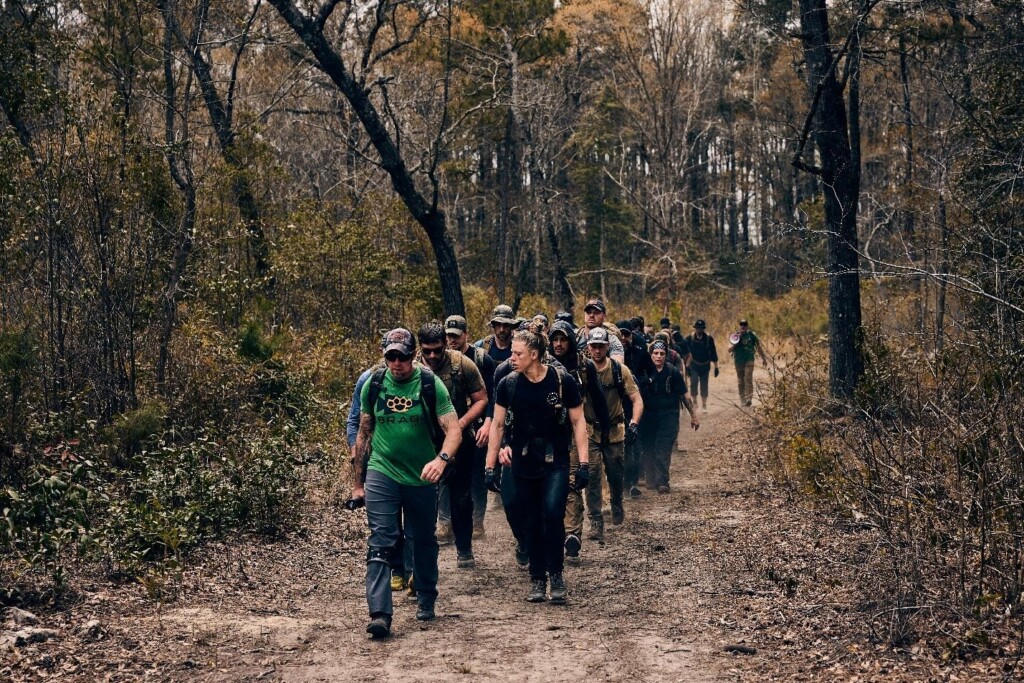
Photo Credit: Nick Schrein
If members of your team drop the event, they will do their best to even teams out for the next evolution.
Get to know your team. The more you bond, the better the event will go. Be patient and keep your ego in check. Events turn miserable quickly when people can’t manage their stress levels and take it out on others. Remember, this is a recreational activity. You can voice your opinion, but don’t snap at people. It only reflects poorly on you. The last thing you want is a reputation of being the whiny bitch at an event because, trust me, that reputation WILL follow you.
Communicate when swapping coupons. Do it safely. If you need help, ask. There’s just no sense in cleaning and pressing a 120# sandbag to get it on your shoulders if you have a few empty handed teammates there to help. Save your strength and energy as much as possible. You will need every ounce.
Make sure you are ready to show up and contribute. Not everyone is going to be a superstar carrying all the heavy coupons the full way around the 1.25 mile loop, but you absolutely must be in the condition to help your team. It is a team event. They help you. You help them. No one deserves a patch just because they can stay up for 24 hours. If you aren’t mentally and physically ready to take weight even if you are hurting, it’s better that you don’t show up. Sorry, the truth hurts.
As we all know, GORUCK events are unpredictable. They all involve rucking, PT, and priorities of work. How much of each, you never know. I have done many hours worth of events. I know most of the cadres’ styles. I speculate all event long on what I think is going to happen and more often than not, I am wrong.
Will we get to drop weight since we are moving so slow?
Probably.
Nope.
Will they cut the Tough a little shorter since it’s an HTBL and a Tough is 10-12 hours?
Probably.
Nope.
Will they do a ruck dump at a Light?
Probably not.
Yup.
Sometimes I am right. Most of the time, I am wrong. But hey, it keeps me on my toes and at least keeps my mind distracted during the events.
So, my advice is to anticipate all scenarios and have your mind equipped to handle whatever comes your way. The unpredictability is what keeps GORUCK events interesting in my opinion. Embrace that.
At Bragg, at least in my experience, there has always been a service project. This involves various forms of manual labor around the compound. It has been nice to see throughout the years the progress that has been made. Most of it being done by the SFA members themselves, but some done by us GRTs. My only comment on this is to take it seriously. Yes, it is a little break from your ruck, but do not use this time to stand around and avoid work. Participate, work hard, take direction, just like you do throughout the rest of the event.
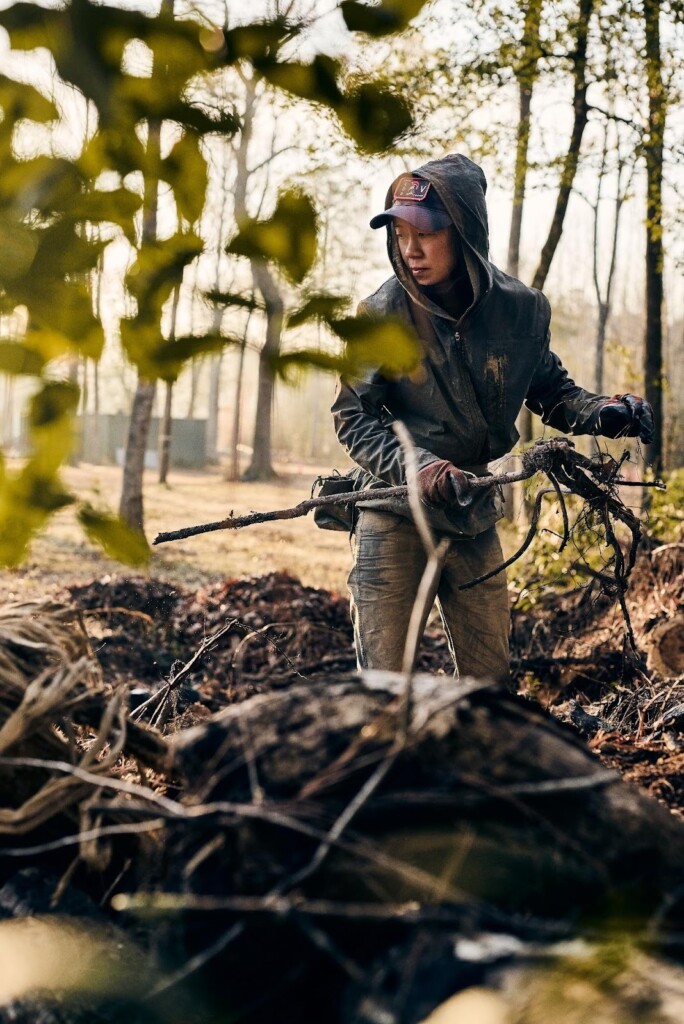
Photo Credit: Nick Schrein
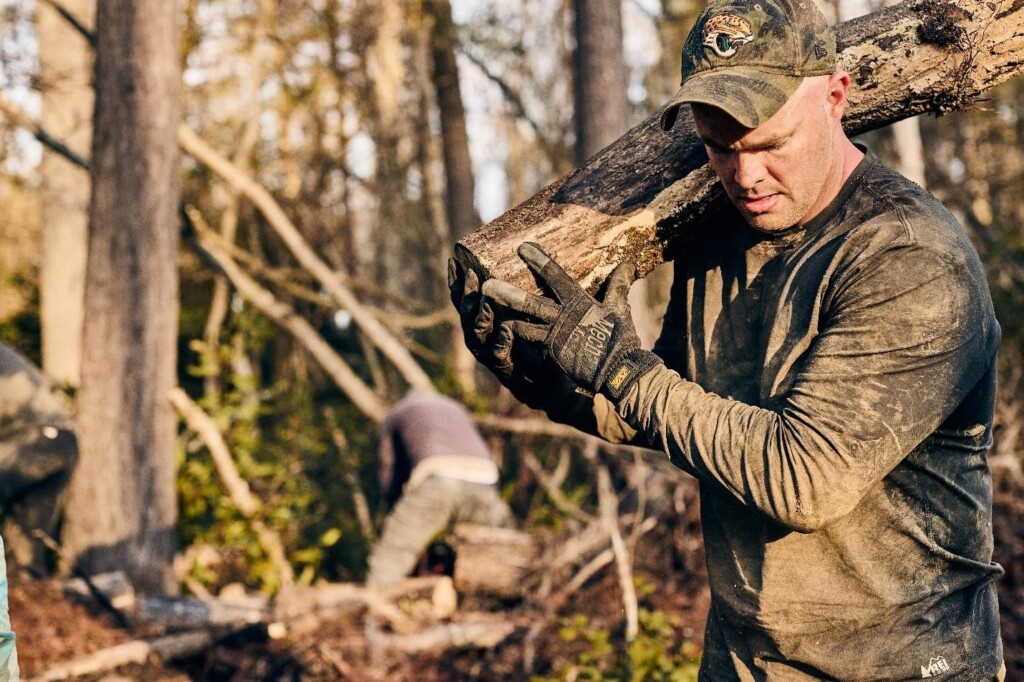
Photo Credit: Nick Schrein
I will leave you on this last note regarding the event itself. It’s very important.
The cadre don’t want you to fail. Their goal is not to make you quit. They want you to succeed. They will yell and scream and possibly even single out your specific weaknesses in front of your peers. It’s not the best feeling, but it’s all done to ensure those who make it to the end deserve to be there. You need to be mentally and physically tough to get through a Bragg weekend. The faster the team works together, shows consistent and strong effort, the faster the team will earn the respect of the cadre.
Effort doesn’t always mean you are going faster or carrying heavier weights. This means you are looking to your left and your right and helping the people next to you. There will be mental tasks as well as physical tasks, which allow everyone’s strengths to shine…but, I guess if you’re dumb and weak, then you’re just out of luck.
I’ve done enough of these events and have had personal conversations with enough cadre to know that they appreciate when they can break a team down, pick out their flaws, and then watch them grow and work together to achieve the task at hand.
The cadre get just as much out of this as we do, if not more. So, make it your goal to make yourself proud, your teammates proud, and the cadre proud.
Recovery
Hydrate, eat all of the food, stretch, and sign up for another event!
Conclusion
That’s all I got.
I think.
It’s taken me 9 years to refine my event strategy. It has been a great deal of trial and error, but I believe that information is meant to be shared. If I can help prevent people from making the same mistakes that I made early on, then I’m doing my job as a teammate.
My goal with this is not to give you a cheat sheet to complete a Bragg HTBL, there’s simply no such thing. But maybe reading this and implementing some of these things can make your weekend a little less stressful. You will 100% still need to put in the work both physically and mentally in order to be able to hold that bolts patch at the end of the weekend.
I want people to keep showing up to the harder events. I will do everything in my power to make sure they don’t go away.
If you have any other questions, comments, or concerns about Bragg or any other GORUCK event, I am an open book and happy to share my thoughts and opinions. IG @caitlin_n_her_guns
Thanks for reading!
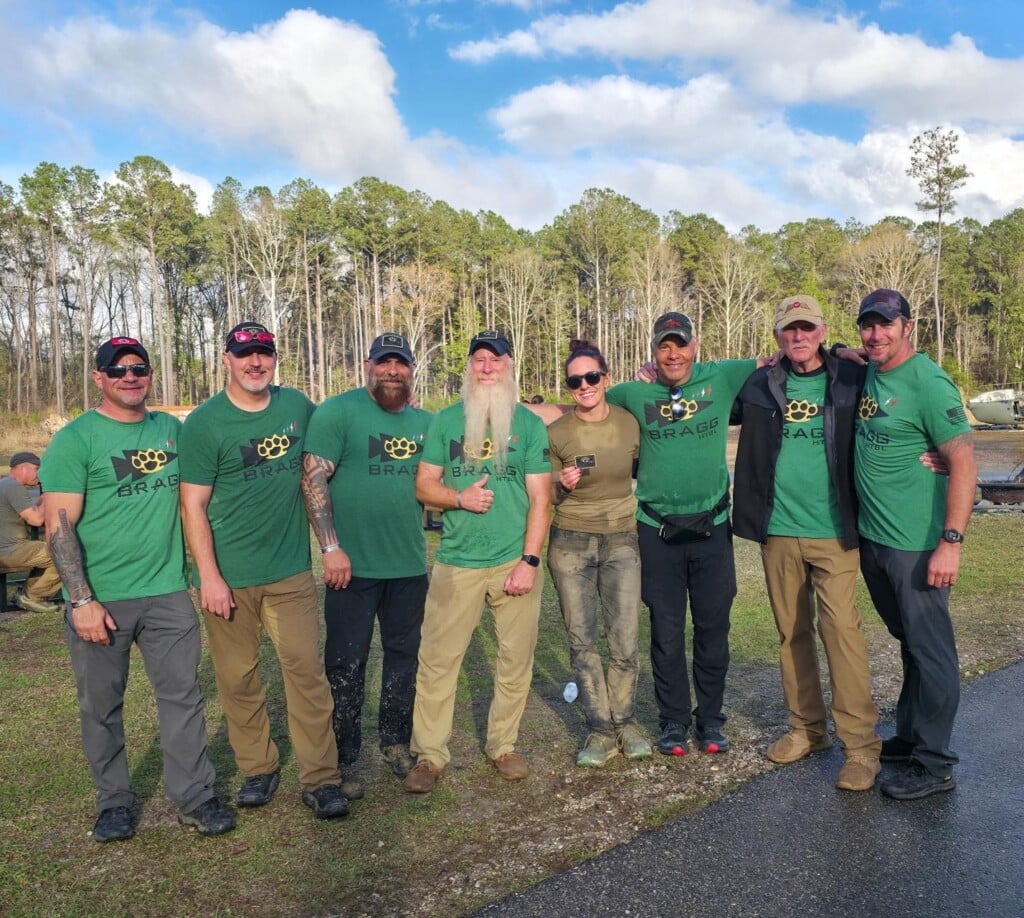
Photo Credit: Nick Schrein